Kitchen Hood Cleaning Columbia SC
If you run a commercial kitchen in Columbia you already know grease builds up fast. Kitchen hood cleaning Columbia SC service keeps your exhaust system clear. It keeps your kitchen safe. It keeps you legal. This page walks through what the job involves and why it matters more than most owners realize.
Why Hood Cleaning Isn't Optional
South Carolina fire code follows NFPA 96. This is the standard that governs commercial kitchen exhaust systems across the country. It sets rules for how often a hood needs cleaning based on how much you cook and what you cook. A fire marshal can check your records during an inspection. Your insurance company can ask for the same records after a claim. Skip the cleaning and you risk both.
Grease doesn’t stay in one place. It travels through the hood into the ductwork and up into the fan. Once it builds up enough it becomes fuel. A single spark near that much grease can start a fire that spreads through the whole duct system in minutes.
What the Terms Actually Mean
A lot of pages throw around jargon without explaining it. Here’s what you’re actually paying for.
- Hood catches smoke and grease vapor as it rises off the cooking equipment.
- Baffle filters sit inside the hood and trap grease before it moves further into the system.
- Plenum is the space behind the filters where grease collects before entering the ductwork.
- Ductwork carries exhaust air from the hood up through the building and out.
- Exhaust fan pulls the air through the whole system and pushes it outside.
- Makeup air is the fresh air your kitchen pulls in to replace what the exhaust removes. A poorly balanced system makes the whole hood work harder and pulls in more grease buildup over time.
Knowing these terms helps you understand what a cleaning crew is actually doing when they show up.
The Cleaning Process Step by Step
A proper cleaning isn’t a quick wipe down. Here’s what it usually looks like. First the crew inspects the whole system. They check the hood the filters the ductwork and the fan for grease thickness and buildup patterns.
Next they cover and protect nearby cooking equipment and floors. Grease cleaning gets messy and a professional crew won’t leave a mess behind. Then comes the actual degreasing. Most crews use hot water pressure washing combined with a degreasing chemical safe for kitchen environments. Steam cleaning is another method used on heavier buildup. The filters get pulled and cleaned separately or replaced if they’re too far gone.
After the system is cleaned the crew checks the fan and hinges the rooftop unit and reseals anything that needs it. Grease waste doesn’t go down a drain. It gets collected and disposed of properly since dumping grease waste is a wastewater violation in most areas including Columbia. Finally you get a written report. This includes the date the areas cleaned and often a sticker placed inside the hood system. This is the document an inspector or your insurance company will ask to see.
Most jobs take a few hours depending on hood size and how bad the buildup is. Many kitchens stay open during service though heavy jobs sometimes need a short shutdown window.
Hood Cleaning Versus Grease Trap Cleaning
These two get confused constantly. A grease trap deals with wastewater. It catches fats oils and grease before they reach the plumbing system and cause a sewer backup. A hood cleaning deals with your exhaust system above the cooking line. Both matter.
Both are required in most commercial kitchens. They are not the same service and one doesn’t replace the other.
How Often Your Kitchen Actually Needs It
NFPA 96 sets cleaning frequency based on cooking volume and type.
High volume cooking like solid fuel grilling or wok cooking usually needs monthly cleaning.
Moderate volume cooking common in most full service restaurants usually needs quarterly cleaning.
Low volume kitchens like churches or seasonal operations can often go a full year between cleanings.
Your local fire marshal has final say and your insurer may set stricter terms than the code minimum. Always check your specific policy and permit requirements rather than assuming.
Signs Your Kitchen Needs Cleaning Now
You don’t have to wait for a scheduled cleaning if you notice these signs. Grease dripping visibly from the hood edge. A burnt grease smell that lingers even after cooking stops. Smoke building up faster than normal during service.
A failed fire inspection notice. Any of these means the system needs attention before your next scheduled date.
Why DIY Cleaning Doesn't Solve the Problem
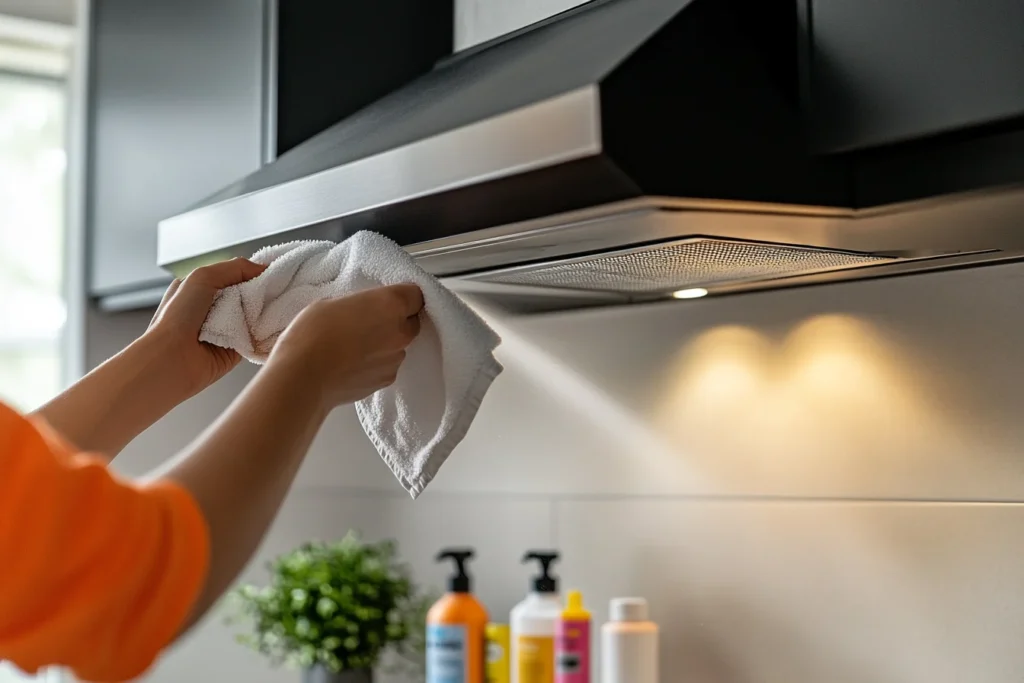
Wiping down the visible parts of a hood feels productive but it doesn’t satisfy code. Inspectors and insurers want documentation from a certified cleaning showing the whole system was addressed including the ductwork and fan you can’t see or reach yourself.
A DIY wipe down leaves no paper trail and leaves the parts you can’t reach untouched. That’s exactly where the worst buildup tends to happen.
The Real Fire Risk
Grease buildup is the fuel behind most commercial kitchen fires. These fires burn differently than a normal grease fire on a stove. That’s why commercial kitchens are required to have Class K fire extinguishers rated specifically for cooking oil and grease fires. A clean hood system doesn’t just reduce fire risk.
It reduces how fast a fire can spread if one does start since there’s less fuel sitting in the ductwork waiting.
Licensed Insured and Trained Crews
Crews handling this work should carry general liability insurance and follow IKECA training standards. IKECA is the recognized industry association for kitchen exhaust cleaning and their standards match what NFPA 96 expects. Ask any provider for proof of insurance before they start work on your roof or near your equipment.
What You Get When the Job Is Done
A dated service report. Documentation of every part cleaned.
A sticker or tag placed on the hood system showing the last service date. This is what you hand an inspector without having to explain or argue.
Kitchens We Work With
Full service restaurants. Fast food locations. Food trucks with commissary kitchens. School and hospital cafeterias. Hotel kitchens. Catering operations.
Each of these has different cooking volume and different inspection cycles and the right cleaning schedule depends on which category your kitchen falls into.
What Affects the Cost
A few things move the price up or down. Hood size and length. How long the ductwork run is. How much buildup has accumulated since the last cleaning. Roof access and whether a ladder or lift is needed. Cooking volume and grease type since solid fuel cooking leaves heavier buildup than a standard grill line. A straightforward quote depends on seeing your specific setup rather than a flat number applied to every kitchen.
What Happens If You Skip It
A failed inspection can shut your kitchen down until the system is cleaned and reinspected. That’s lost revenue every day the doors stay closed. An insurance claim after a kitchen fire can be denied outright if there’s no record of regular cleaning since the insurer will argue the fire was preventable neglect rather than an accident. Beyond the paperwork there’s the simple fact that grease fires spread fast and put your staff and your building at real risk.
Get a Quote
Reach out for a straightforward quote based on your kitchen size and cooking volume. Response within 24 hours in most cases. Serving Columbia SC and nearby areas for kitchen hood cleaning Columbia SC businesses depend on to stay open safe and code compliant.
Frequently Asked Questions
How often does a commercial kitchen hood need cleaning in South Carolina?
It depends on cooking volume. High volume kitchens often need monthly service. Lower volume kitchens may only need annual service. NFPA 96 sets the baseline and your fire marshal or insurer can require more frequent service.
Does insurance actually require hood cleaning?
Most commercial kitchen insurance policies require proof of regular cleaning. Skipping it can void coverage for a fire related claim.
What happens if I fail a hood inspection?
Your kitchen may be ordered closed until the system is cleaned and reinspected. This means lost business until the issue is resolved.
Is hood cleaning the same as grease trap cleaning?
No. Hood cleaning covers your exhaust system above the cooking line. Grease trap cleaning covers wastewater plumbing. Both are usually required separately.
Can I clean the hood myself?
You can wipe down visible surfaces but this won’t satisfy fire code documentation requirements and won’t reach the ductwork or fan where the worst buildup happens.